Disclaimer: This article provides insights into an author’s experiences, inspirations, and works. It discusses historical events and themes, including moral and ethical gray areas. Readers are encouraged to approach the content with an open mind while considering the time periods and cultural contexts referenced.
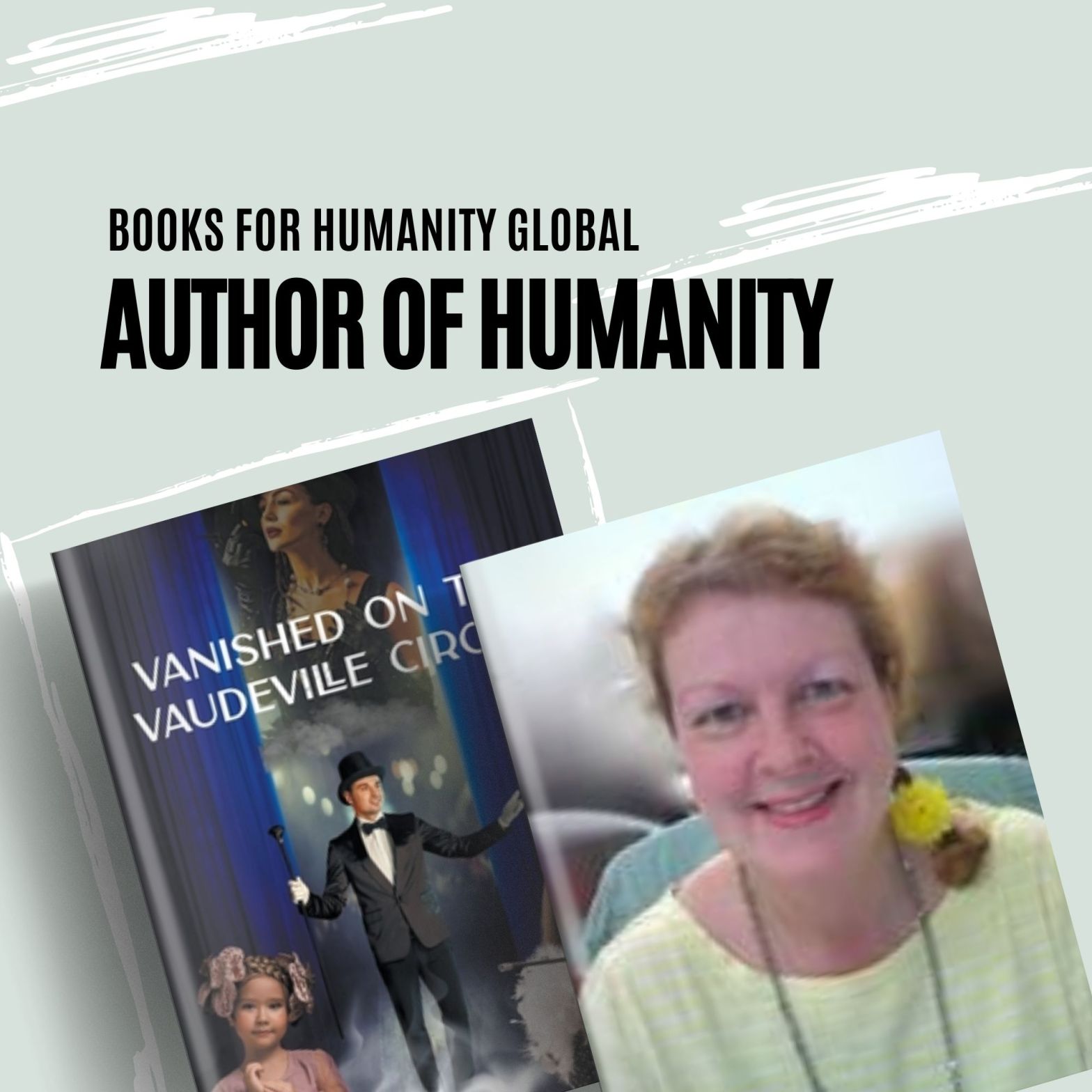
Carolyn Summer Quinn is a multi-award-winning author of 17 books, including Vanished on the Vaudeville Circuit, one of our distinguished Book of the Week Award winners. She holds a B.A. in English and Media from Kean University and resides in New York City. In this interview, she discusses her writing journey and inspirations.
Carolyn, thank you so much for joining us today. Your book Vanished on the Vaudeville Circuit has been met with praise. What inspired you to write this historical mystery, and why did you choose the 1920s vaudeville circuit as the backdrop for your story?
I was always interested in theater, even as a child, and had done extensive research on vaudeville for my first book, Mama Rose’s Turn. It’s a nonfiction biography of Gypsy Rose Lee’s mother, and Gypsy and her sister, “Baby June,” traveled the country on the vaudeville circuits of the 1920s. So it’s a world I’m very familiar with, and one day I was outside having a coffee and the idea this Vanished on the Vaudeville Circuit story just popped into my head. What if there was a family act including children, and one of them disappeared…I finished my coffee, ran inside the house, sat down and began to write it!
How did your personal background in English, Theatre, and Media shape your approach to writing fiction, particularly stories rooted in performance arts and family dynamics?
My background certainly helped, but for the most part, I just “wing it!”
As a fine art photographer, do you find that your visual storytelling influences your written work? Could you share how the two art forms complement each other in your creative process?
In both cases I look for what’s intriguing, whether it’s shapes and colors for photographs or relationships between people for stories. In both cases I like what’s different, unusual, or doesn’t add up. That’s where the start of a mystery can be found!
Vanished on the Vaudeville Circuit has garnered recognition, including being named Book of the Week from Books for Humanity Global. What does this achievement mean to you, and how has it affected your writing journey?
I’m delighted by it! To think that the little story I thought up one day while relaxing outside by the roses and having a coffee could mean so much to so many people – wow!
The characters in your book are deeply intertwined with the world of vaudeville. What was the most challenging part of bringing that time period and the intricacies of the vaudeville life to life for your readers?
I’d say it was that so many details of that particular world needed to be explained. The regulations for what was allowed onstage, the relationships between the various performers, where sometimes there was a lot of jealousy, the moral gray area where some of the performers existed, it wasn’t the life of the average person in the 1920s, to say the least!
You’ve written for middle-grade audiences in the past. What was it like shifting from writing for younger readers to a more mature historical fiction audience? Did your approach to storytelling change in any way?
For middle-grade readers the tale has to be presented in a slightly easier to understand manner, but truth be told, I didn’t change much between the one form and the other. The trick with writing for kids is to not talk down to them and treat them with respect.
What themes or messages do you hope your readers take away from Vanished on the Vaudeville Circuit? How do you use storytelling to inspire or challenge them?
I always try to convey the idea with all of my books that, as my beloved grandmother used to always say, “You just never know what’s around the next corner.” Even if it’s a murder mystery, there’s a point where matters can turn around, and I work to get the story to that point.
Can you share any significant milestones in your writing career that have shaped you as an author? What advice would you offer to aspiring writers based on your experiences?
The best decision I ever made in my life was to start writing Mama Rose’s Turn several years ago! When I found out that Gypsy Rose Lee’s archive of family and business correspondence was at the Lincoln Center Library for the Performing Arts right here in New York City I went over there that very night to check it out. I had to come back another day since the Special Collections Room was already closed for the evening by the time I got there after work, so I returned on the next Saturday, got into the archive, and stayed for five hours. I knew I could turn what I was finding out into a book – and did it! I would tell aspiring authors to keep at it and go for it.
Looking forward, what’s next for you in your writing career? Are there any upcoming projects or books that you’re particularly excited about sharing with your audience?
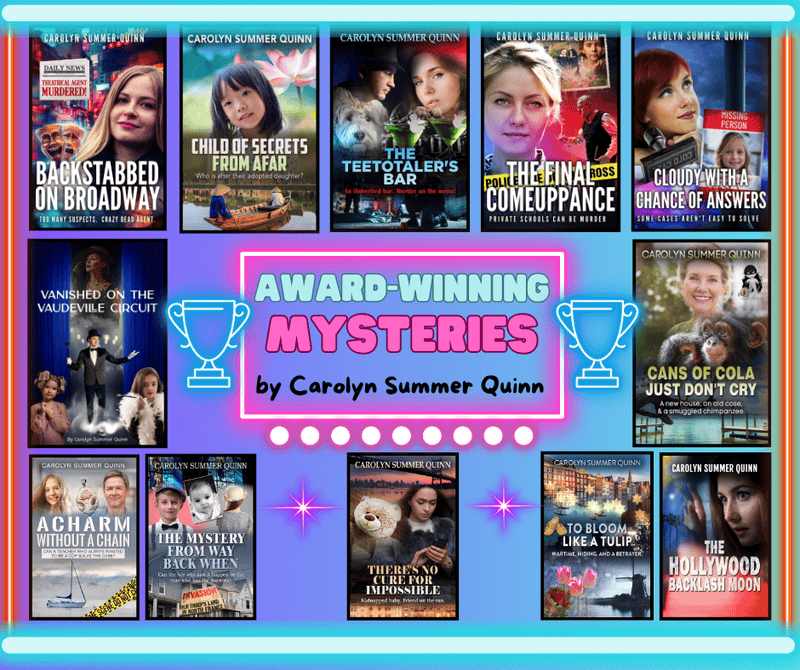
At this point I’ve written 17 books! I keep getting ideas for more. The Mystery From Way Back When was recently published and it’s about an abandoned baby found on the steps of a church. A Commotion on the Ocean is about a disappearance on a cruise ship. To Bloom Like a Tulip is a historical mystery that keeps winning awards and it’s about people in hiding during World War II who later want to identify their betrayer.
Links
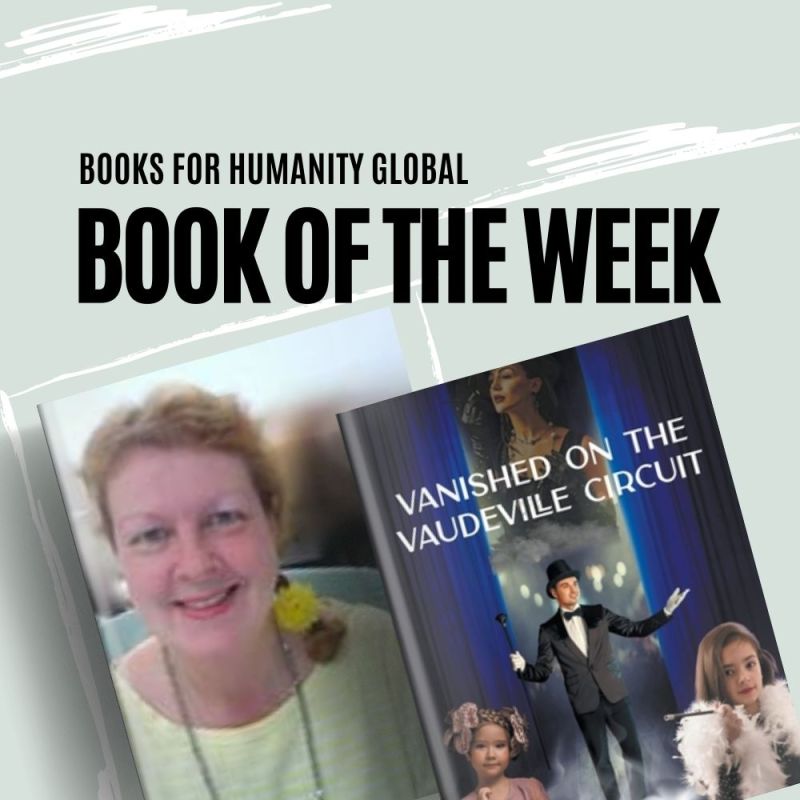
Book of the Week: “Vanished on the Vaudeville Circuit” by Carolyn Summer Quinn
Have you ever wondered if the dazzling world of show business could hide its own kind of heartbreak? Find out how a 1920s vaudeville family fights to keep their act—and their lives—together.
Keep readingShare Your Insights
We’d love to hear your thoughts on this interview! Share your insights in the comments below:
- What inspires you most about Carolyn Summer Quinn’s journey as a writer?
- Have you read any of her books? If so, which one resonated with you the most?
- What themes or genres do you enjoy exploring in historical fiction?
General Site Disclaimer
The content on the Books for Humanity Global website is for general informational purposes only. We do not provide medical, legal, financial, or professional advice. Opinions expressed in reviews and articles are those of the authors and do not represent the official views of Books for Humanity Global. We are not liable for any decisions or actions taken based on the information provided. External links are for convenience only, and we are not responsible for their content.
For more details, please read our full Disclaimer, Privacy Policy, and Terms of Service.
Your continued use of the site constitutes acceptance of our policies, terms, and conditions.
Useful Links
- About Us
- Authors for Humanity
- Blog
- Book of the Week
- Book Offers
- Book Review Request Step 3
- Book Review Requests
- Book Wish List
- Contact us
- Disclaimer
- Our Sponsors
- Privacy Policy
- Subscribe to our newsletter
- Terms of Service
- Voices for Humanity
More from Books for Humanity Global

Lessons from Timeless Books: Empathy, Trust, and Moral Action
Can a simple story, a leadership book, or a hard-earned lesson quietly reshape how someone leads and treats others? This…
Keep reading
Ways to Use Books and Learning Initiatives in the New Year to Drive Meaningful Change in Underserved Communities Worldwide
What if finishing a book mattered less than what you did with one page of it? This roundup explores how…
Keep reading
How Christmas Stories Build Empathy
Why do stories told at Christmas linger longer in our hearts—and quietly change how we treat others afterward? Read on…
Keep reading
Book Review: Gray Wrath by Terrence Poppa
Gray Wrath is a stark reminder that even in the face of extinction, the bonds of survival, redemption, and unity…
Keep readingSomething went wrong. Please refresh the page and/or try again.
Discover more from Books for Humanity Global
Subscribe to get the latest posts sent to your email.

 Books for Humanity Global